
Freedom Health Daily · DAILY INSTALL

OCTOBER 23, 2026 · ILLUSTRATIVE EDITORIAL COLLAGE
Two cans. Same kind of beans. One small row of numbers can make them very different choices.
Turn them around before the next shopping trip.
SPONSORED · CardioClear7

Your heart works all day. What is in its fuel?
The errands. The stairs. The days that never seem to slow down.
This daily heart-support blend brings CoQ10 together with two other ingredients. Why those three—and what is the connection to energy inside your cells?
Today’s Install: The Two-Can Sodium Check
Time: 15 minutes. Cost: Use what you have. Keep: One dated check, photo or household note.
Two similar foods have a same-portion sodium comparison, and one fits a planned meal.
For your binder: Print this issue or keep the dated note with your household plans.
Action Brief
Read the signal: As soups, stews and holiday meals move onto the menu, familiar canned ingredients can appear more often. You can keep the meal and compare what goes into it.
See the pattern: A fair food comparison starts with the same amount.
Make the move: Two similar foods have a same-portion sodium comparison, and one fits a planned meal.
The Current Signal
As soups, stews and holiday meals move onto the menu, familiar canned ingredients can appear more often. You can keep the meal and compare what goes into it.
FDA guidance says the Nutrition Facts label can help compare sodium. The portion must match. A lower number per serving means little if that serving is much smaller. Today, compare two similar foods for the amount you actually use.
The golden nugget: A fair food comparison starts with the same amount.
QUICK SPONSOR · 4Patriots
When the store trip falls through, what is for dinner?
The fridge is nearly empty. The family is not. A shelf-stable meal supply gives you another place to turn. Which meals would you want waiting? Keep water and the safe cooking setup the meals need ready, too.
America, 1997: The Whole Plate Was Put to a Test

Illustrated historical reconstruction; not an archival photograph.
In 1997, the first DASH trial put a whole eating pattern to a careful test. Researchers did more than ask people to remember what they had eaten.
The study supplied meals. That gave the research team much better control over what participants received and made the comparison clearer.
One pattern emphasized fruits, vegetables and low-fat dairy, with less saturated fat. The research examined blood pressure under controlled conditions. The National Heart, Lung, and Blood Institute preserves the study records and explains the eating plan.
Picture trays being prepared in a research kitchen. Portions are planned rather than guessed. A change on one tray can be compared with a defined pattern on another. That kitchen scene is illustrative.
The point was not that one magic ingredient could fix every person's health. The work examined a pattern across meals. It also separated the question being tested from all the other changes people might make on their own.
Later DASH-Sodium research looked directly at different sodium levels alongside the eating patterns. The first trial and that later study are related, but they are not the same experiment.
That distinction matters when a headline bundles every useful food change into one claim. Good comparisons ask a specific question and keep the terms clear.
At home, you will not run a clinical trial over lunch. You can still avoid a common comparison mistake.
Look at the same quantity of two similar foods. Then choose which fits your meal and your care plan. A label check is a small part of eating well, but it is a part you can use without changing every favorite recipe at once.
Tlatelolco, 1519: Dinner Began With Choices

Illustrated reconstruction; not an archaeological photograph.
When Spanish newcomers saw the great market at Tlatelolco in 1519, they described a busy world of food, goods and skilled sellers. Their accounts survive, but they must be read as outsiders' accounts written during conquest.
The market served the Mexica urban world. Foods included maize, beans, vegetables and many other goods. Food choices were tied to farms, waterways, trade and daily work far beyond the market itself.
Picture baskets set out for buyers and sellers who know their goods. A person planning a meal can compare what is offered, but does not have a modern Nutrition Facts panel. That scene is an imagined reconstruction.
The contrast is useful. Modern packages give us a form of information unavailable in that market. We can inspect a stated serving size and sodium amount before paying.
That does not make every packaged food a poor choice, or every older meal automatically healthier. An ancient marketplace cannot prove a modern diet claim. It shows people choosing among available foods within the system they had.
Our own food system includes options that look nearly identical on the front of the can. The difference may be on the back. Plain vegetables, beans in sauce and heavily seasoned versions can fill a similar place in a meal while carrying different sodium amounts.
The practical lesson is to use the information you have. A familiar picture or healthy-sounding name is not the whole product.
Before the next cart trip, compare two similar items already in the pantry or store listing. Keep the food's job in mind: what will it add to tonight's meal? Then check the same quantity before deciding which version deserves the space.
The Pattern to Notice
Across BOTH examples, the pattern is this: a fair food comparison starts with the same amount.
The Household Lesson
Use the sodium advice from your care team, especially if you have heart, kidney or other conditions with a specific diet plan. Do not change medicines or replace treatment with a food swap.
For a simple comparison, choose two similar foods with the same serving size. If sizes differ, work out sodium for the same amount—or choose an easier pair.
Your Household Install

Illustrative household example. Use the steps below for your own setup.
Choose a real ingredient. Try two versions of canned beans, soup or vegetables you would use for the same meal.
Match the portion. Read serving size and servings per container. Compare the same quantity, not just the biggest printed number.
Read the sodium row. Record milligrams for that matched quantity. FDA’s quick guide: 5% Daily Value or less per serving is low; 20% or more is high.
Keep one useful swap. Write the product and meal where you will use it. Choose lower-sodium options that fit your needs, budget and taste.
Measurable win: Two similar foods have a same-portion sodium comparison, and one fits a planned meal.
Status Check
□ I compared two similar foods.
□ The portion sizes match.
□ One practical swap is on my shopping note.
Tool That Fits Today’s Pattern
Your keep-it card: Food A ___ / Sodium per matched amount ___ / Food B ___ / Sodium ___ / Meal ___
The Takeaway
A fair food comparison starts with the same amount.
Stay steady,
James Williamson
One useful step. A more capable home.
P.S. Which pantry food surprised you when you turned the label around? Hit reply with the food. Share this with someone who does the household shopping.
P.P.S. Two useful next reads from the Household Resilience Network:
SPONSORED · 4 FOOT FARM BLUEPRINT
Keep the meals you love. Grow a few of the ingredients.
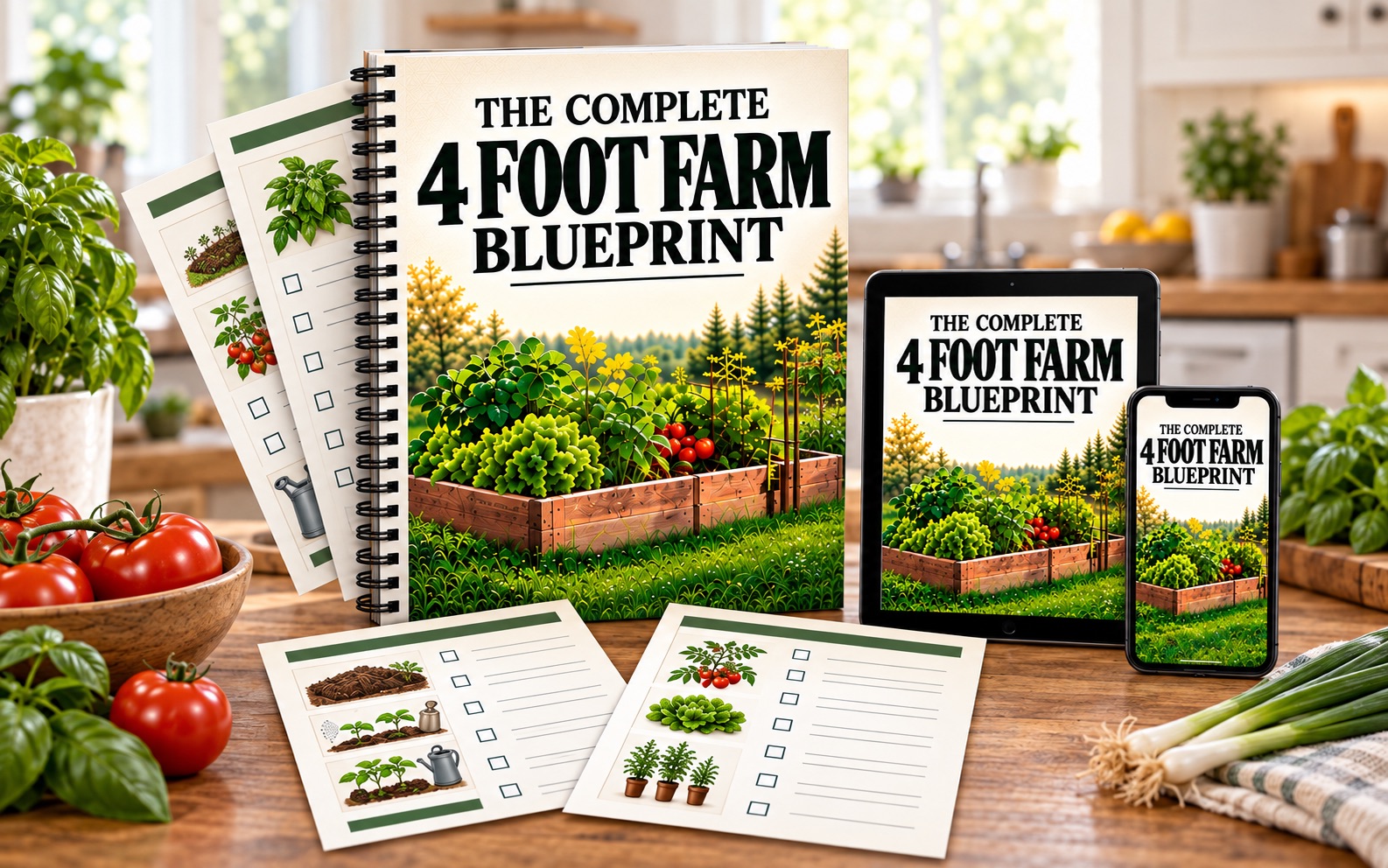
The same lettuce. The same herbs. Another trip to buy them again. What if a small spot at home supplied some of those repeat buys?
The COMPLETE Blueprint from our friends at 4 Foot Farm shows the steps in pictures. Start with one food you already eat, using a container, patio or indoor setup with a simple grow light.
See the first setup—and how to keep more fresh food coming without taking on a whole yard.
Sources reviewed for this issue: FDA, Sodium in Your Diet and Interactive Nutrition Facts Label; NHLBI BioLINCC, DASH and DASH-Sodium study records; Fordham sourcebook, Cortés second letter, 1520, read as a conquest-era account; Cambridge, Everyday Life in the Aztec World, Market Day in Tlatelolco. Seasonal meal-planning edition, October 23, 2026. Historical scenes are illustrated reconstructions.