
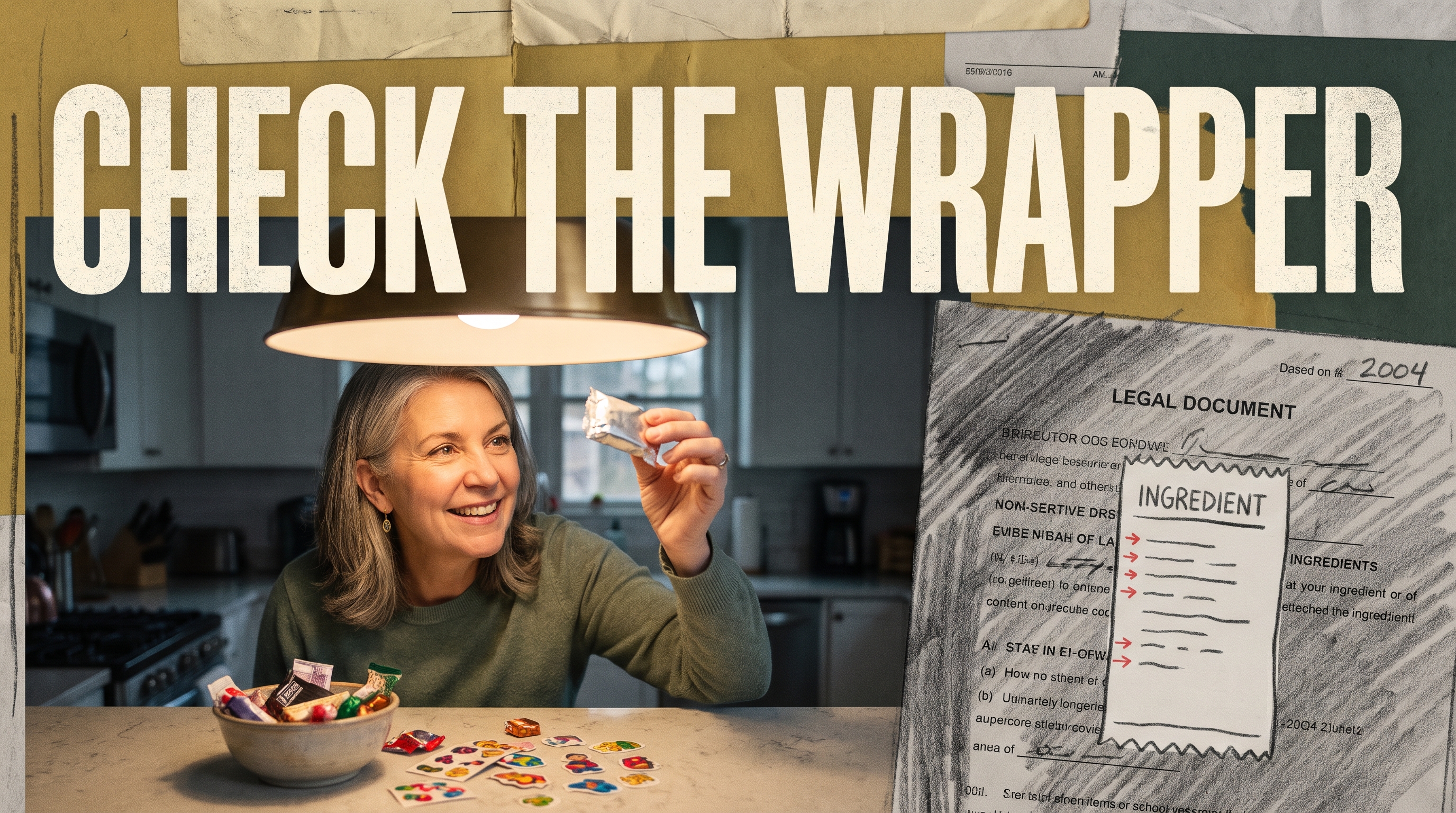
Your Daily Install connects what’s happening now with a useful pattern from the past—and one simple step you can take today to make your household more resilient.
Print the action worksheet below, fill it in, and add it to your Household Resilience Network binder.
What’s happening now?
Halloween is next Saturday. The big bag of treats may already be on the kitchen counter.
For a household managing a food allergy, the important part can be the small print. A familiar brand name or a package you remember is not a current ingredient check.
Keep the wrapper with the treat until the right adult has checked it. FDA’s Halloween advice says to check labels for food allergens. An allergen is a food ingredient that can trigger an allergic reaction.
Has this happened before?
For years, a parent checking a food package could face an ingredient name that did not plainly name the food behind it. Knowing the allergy was not always enough to read the label.
Congress passed the Food Allergen Labeling and Consumer Protection Act in 2004. Its major-allergen requirements took effect for foods labeled from January 1, 2006.
The rule made food sources clearer. A milk ingredient such as whey needed to identify milk if the name did not already make that clear.
What happened next?
The ingredient list or a nearby “Contains” statement gave families more useful information. Sesame joined the major-allergen labeling list in 2023.
The pattern: useful information must stay attached to the thing you are deciding about. A label on the outer bag cannot help much after it has been thrown away.
The label is a tool, not an all-clear for every allergy. Recipes and package sizes can differ. Follow the person’s allergy plan and check each product each time.
One more bathroom stop before you leave?
Keys in hand. Then you head back to the bathroom. Why does this bladder-support approach start with bacteria?
Tap Here to Watch the Bladder-Support Story →What can I do?
Use 10 minutes to set up a check-before-eating place. Choose a bowl or tray where treats wait with their wrappers. Save the outer bag if small pieces lack full ingredient details.
Agree which adult checks ingredients against the person’s known allergies and care plan. If the label is missing or unclear, set that item aside. Do not guess from the color of the wrapper.
Offer a clearly separate nonfood choice, such as stickers, for visitors. For a child with allergies, check the plan with their caregiver first. Keep prescribed emergency medicine and the response plan available as their clinician directs.
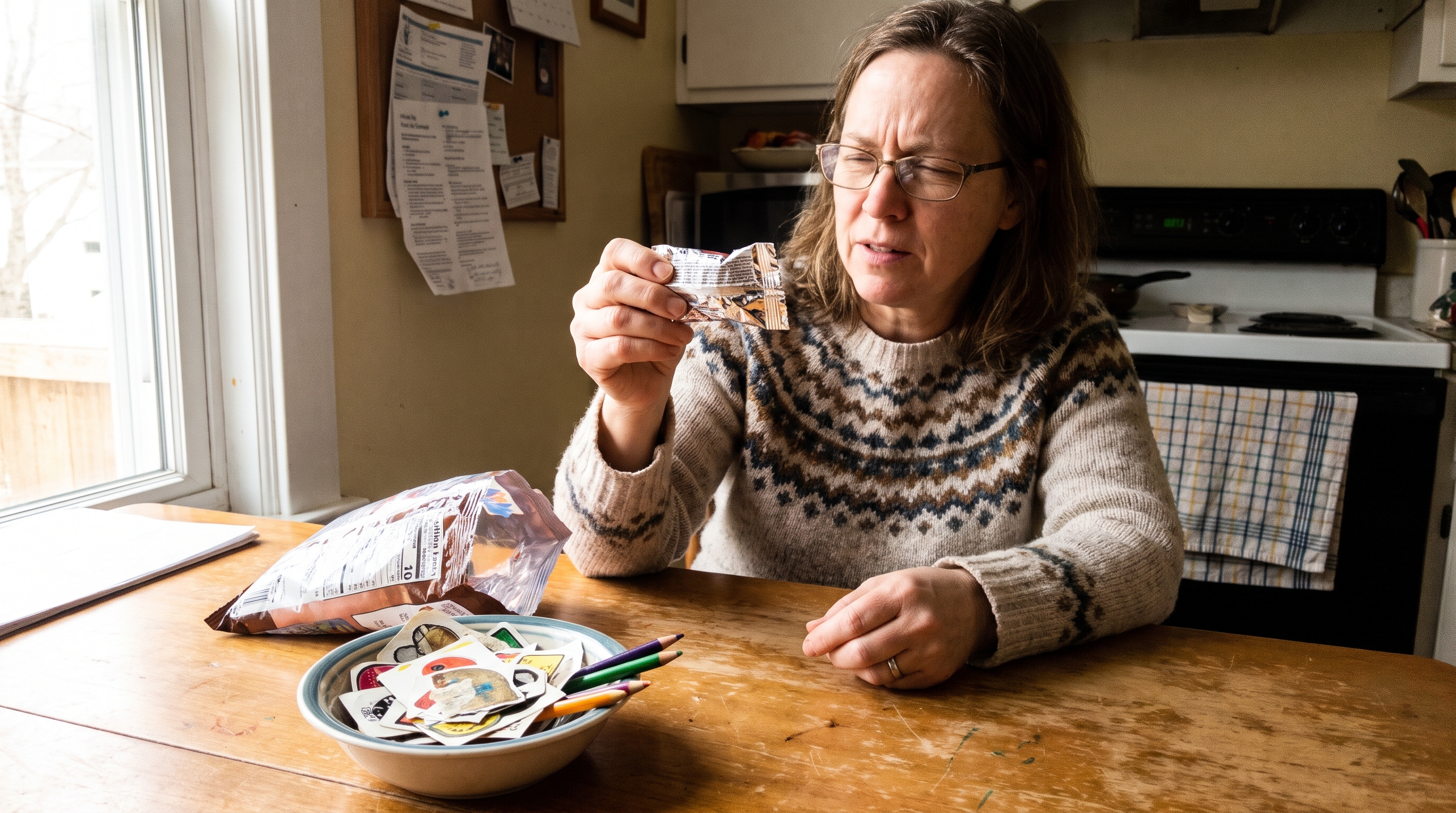
Illustrative household example. Use the worksheet for your own details.
Our Treat-Label Rule
Date: __________ File under: Family Health
1. Agree who checks
Responsible adult:
Caregiver / contact:
☐ Current allergy plan checked privately
2. Keep information together
Check-before-eating place:
☐ Wrappers kept ☐ Outer bag saved
☐ Unclear items set aside
3. Offer another option
Nonfood choice:
☐ Kept separate from food treats
Caregiver question:
4. Before the visit
☐ Family rule shared
☐ Caregiver confirms needed emergency plan
Date checked:
Today’s win: One treat-check station is ready, and the adults know who checks before anything is eaten.
What does saffron have to do with your eyes?
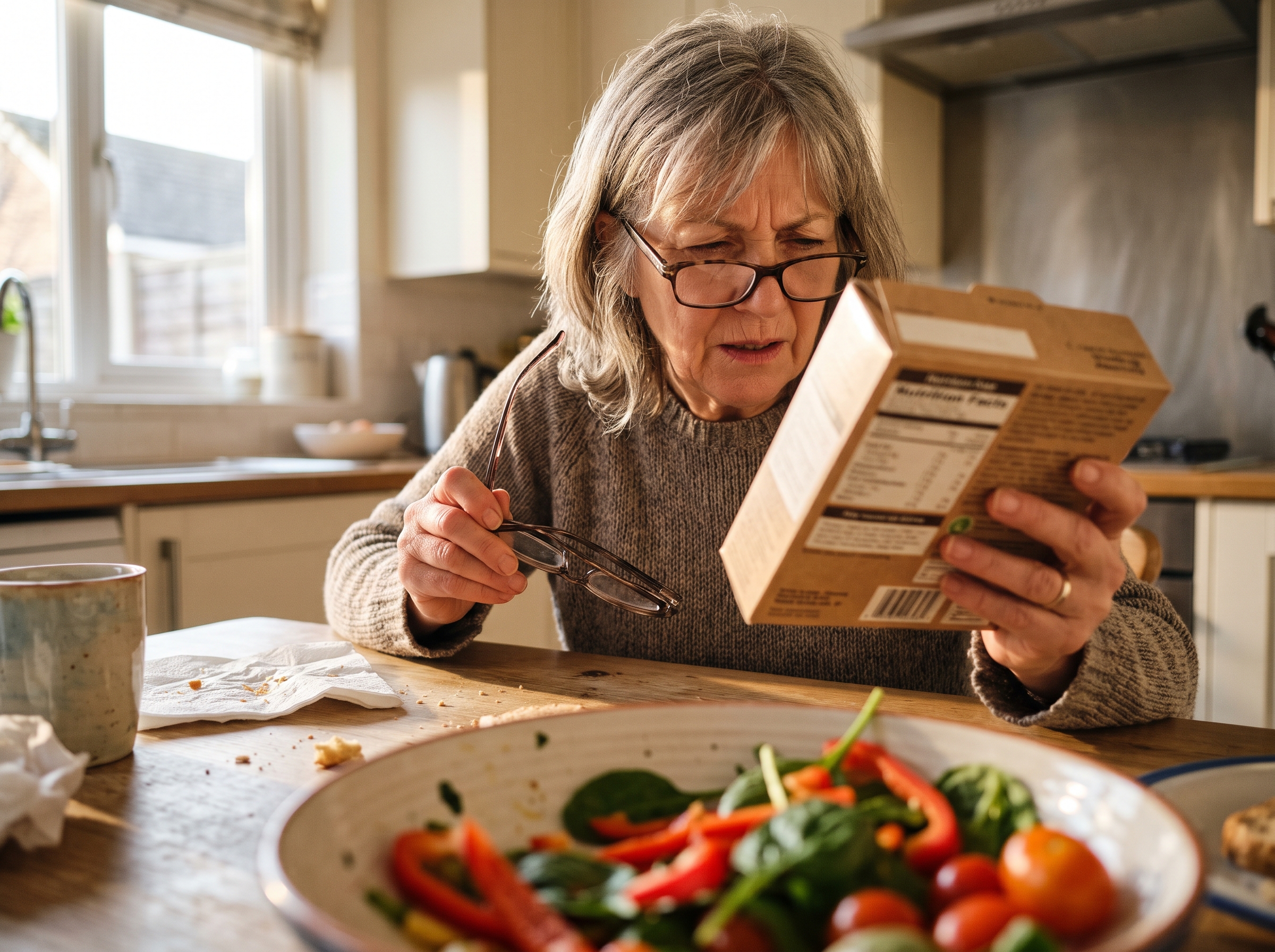
The menu moves closer. Then farther away. You reach for better light just to read a few words.
What does saffron have to do with eye support? It is one of the plant nutrients in this daily blend.
Watch the story behind the combination—and why those ingredients were brought together.
| Tap Here to Watch the Eye-Support Story → |
Stay steady,
James Williamson
Freedom Health Daily
P.S. What nonfood treat has gone over well at your door? Hit reply with the idea. Share this with one grandparent or host getting ready for Saturday.
P.P.S. One useful next read from the Household Resilience Network: Holistic Install: Who Checks on You When You Are Sick?.
Want a small food win at home? Tap Here for the Free Small-Space Food Quickstart →