

Your Daily Install connects what’s happening now with a useful pattern from the past—and one simple step you can take today to make your household more resilient.
Print the action worksheet below, fill it in, and add it to your Household Resilience Network binder.
What’s happening now?
The guests leave. There is still dip on the table and a half-full tray of sandwiches. Someone says, “It looks fine. Save it.”
With Halloween parties coming Saturday, decide on the food clock before the first dish goes out. USDA says to refrigerate perishable food within two hours—or one hour when the air is above 90°F. Food left out longer should be thrown away.
Looks and smell cannot tell you whether those leftovers are safe. A written time can help you make the call.
Has this happened before?
In the 1930s, inventor Frederick McKinley Jones worked on a problem that could ruin a truckload of food: keeping it cold on the road.
Ice could melt before a long trip ended. Food that started out cold could arrive spoiled. Jones developed mobile refrigeration that helped trucks hold food at a controlled temperature.
It changed what a long food journey could look like. Cooling no longer had to stop when the truck left the loading dock.
What happened next?
Refrigerated transport helped fresh food travel farther. But the cold chain still has a last stop: the kitchen and table where that food is served.
The pattern: keep watching the handoff. A cold truck and a good refrigerator cannot protect a dish that sits out too long at a party. Write down when your part of the chain starts.
Why are mushrooms in this heart-support blend?
You watch the food on your plate. Here is an ingredient story you may not expect: reishi, shiitake and other mushrooms in one daily blend. What is the connection?
Tap Here to Watch the Mushroom Connection →What can I do?
Take 15 minutes to plan one perishable party dish. Choose a small serving bowl. Keep the rest in the refrigerator at 40°F or below until needed. Put out a fresh small portion rather than topping up an old bowl.
Write the time the dish leaves refrigeration and the two-hour limit. Use a one-hour limit above 90°F. This simple clock is for food sitting out without safe hot or cold holding.
Put safe leftovers into shallow containers and refrigerate promptly, within the limit. If the limit has passed—or you do not know how long the food sat out—throw it away. Do not taste it to decide.
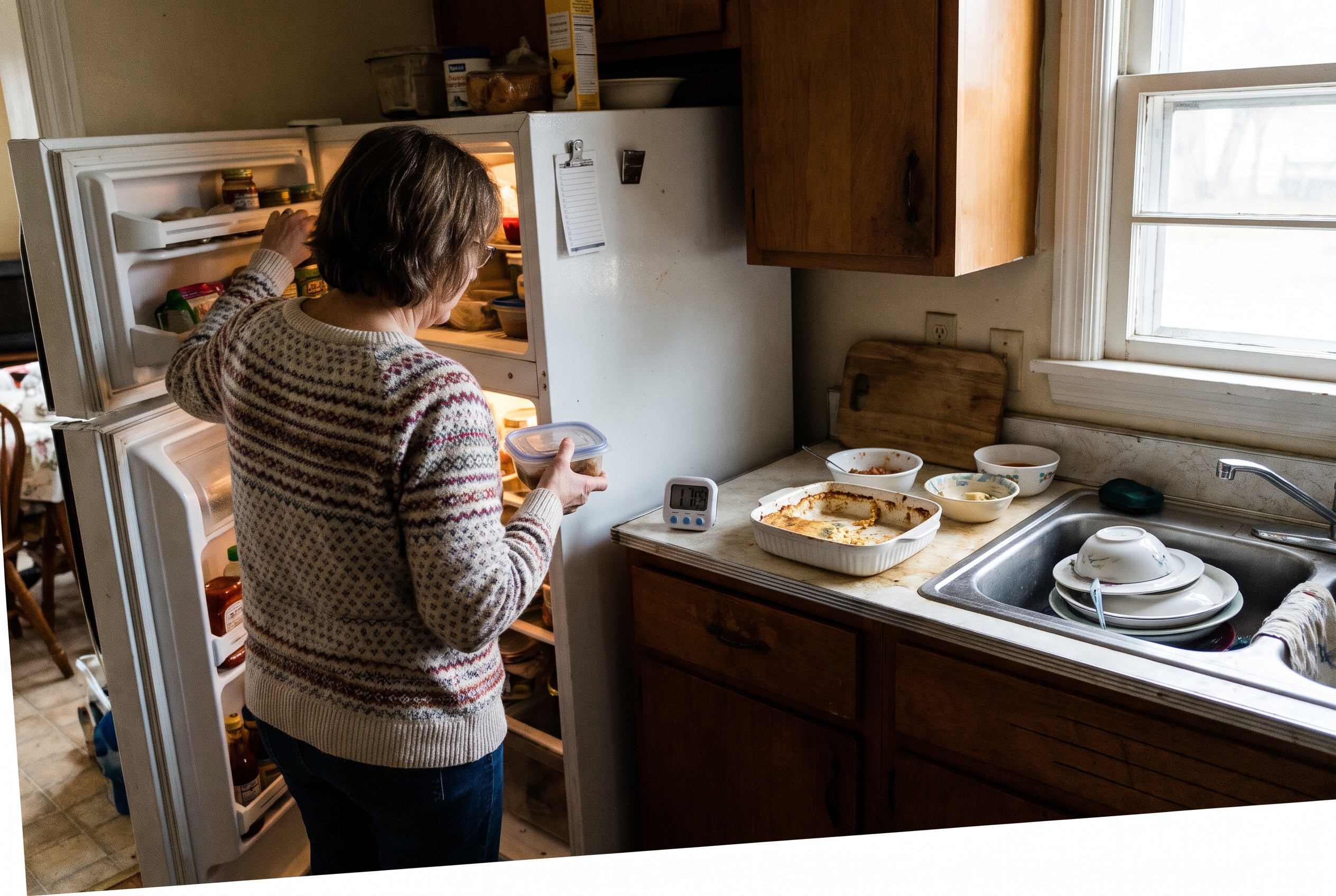
Illustrative household example. Use the worksheet for your own details.
My Party-Food Clock
Date: __________ File under: Food Safety
Choose one dish
Dish / small serving container:
Time out of refrigeration:
Refrigerate by / discard after:
Keep the next batch cold
☐ Extra portion stays refrigerated.
☐ Shallow containers ready.
Person watching the clock:
Today’s win: One dish has a clear time limit and someone assigned to watch it.
What if the next fresh handful came from home?
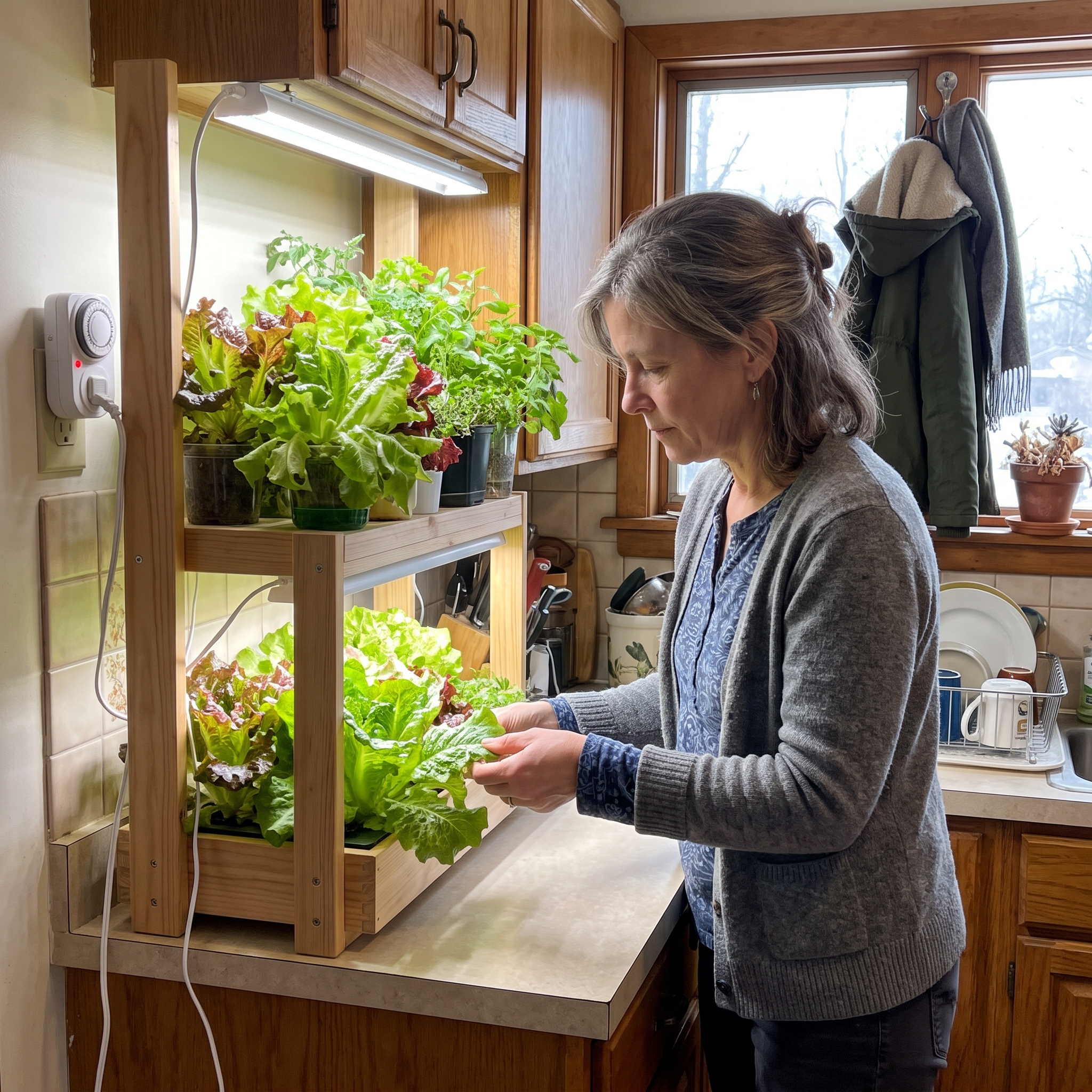
You do not want another expensive hobby. You want food you can pick and use.
The COMPLETE Blueprint shows how to start small, indoors or out. See the setup, choose a food you enjoy and follow the steps in pictures.
What could you grow in the space you already have? Take a look before another grocery run.
| Tap Here to See the COMPLETE Blueprint → |
Stay steady,
James Williamson
Freedom Health Daily
P.S. Which dish always hangs around after a gathering? Reply with its name. Share this with whoever is hosting this weekend.
P.P.S. Want more say in the fresh food on your plate? Our friends at 4 Foot Farm show you how to grow a little at home, with small-space and indoor options. Start with one food you enjoy. Tap Here to See the COMPLETE Blueprint →