
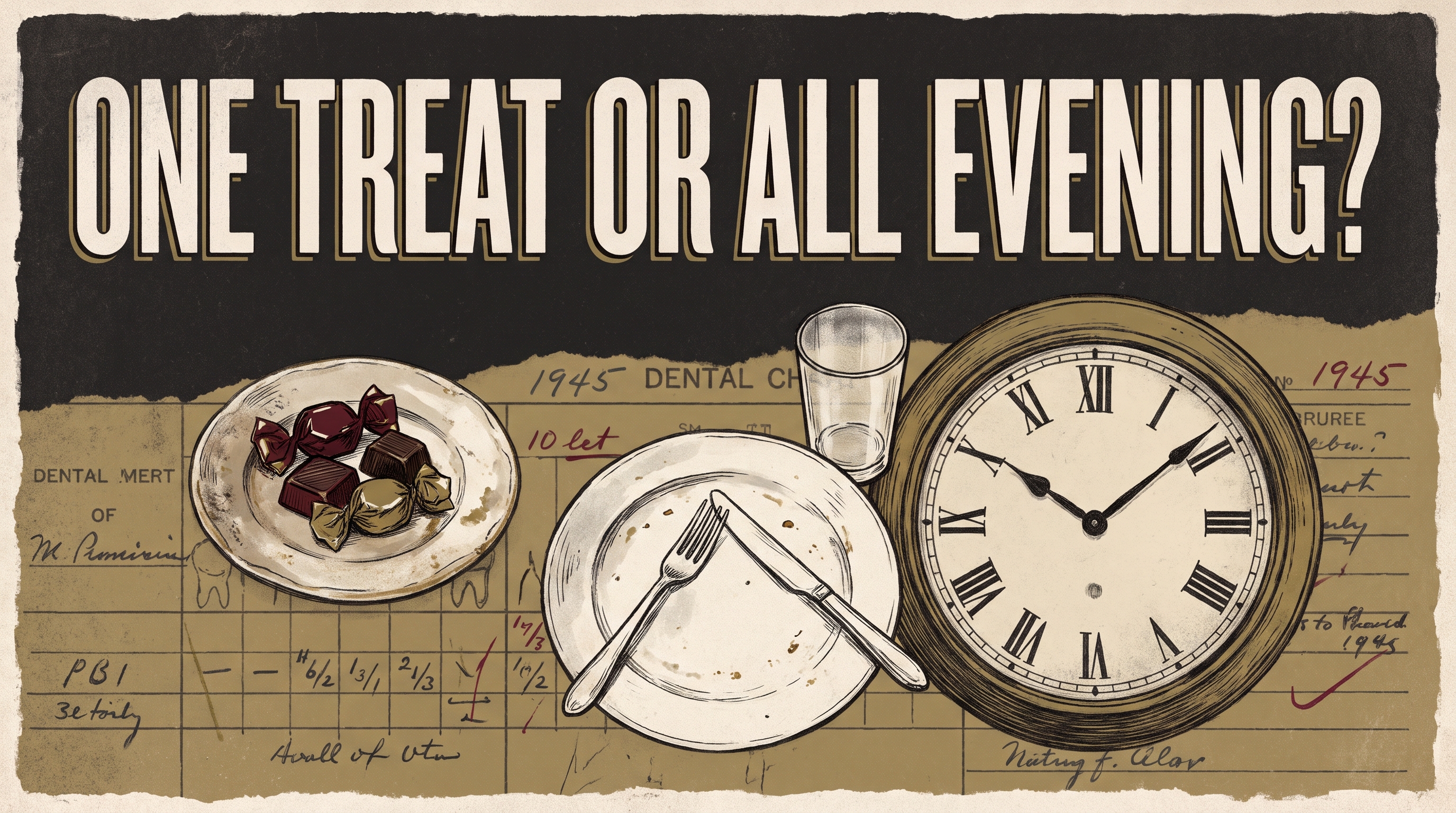
Your Daily Install connects what’s happening now with a useful pattern from the past—and one simple step you can take today to make your household more resilient.
Print the action worksheet below, fill it in, and add it to your Household Resilience Network binder.
What’s happening now?
One sweet while you pass the bowl. Another while the kettle boils. It never felt like you sat down and ate much candy.
Halloween falls this Saturday. The American Dental Association’s advice includes a useful detail: enjoy a little candy with a meal or just after it, rather than nibbling all evening. Eating a meal brings more saliva, which helps clear food and acids.
Make one small treat time, not a night of little repeat visits. This is a plan for adults, too.
Has this happened before?
On January 25, 1945, Grand Rapids, Michigan, began a long public-health test. The city added fluoride to its water, and researchers followed children’s dental health.
It was not a plan that asked each child to remember a special new task every hour. A useful protective step became part of something people already did: drinking water.
Researchers compared dental exams over time. The findings helped establish fluoride’s role in preventing tooth decay and shaped later dental-health practice.
The key design idea was ordinary and repeatable. Protection had to reach people during real daily life, not just while they were sitting in a dental chair.
What happened next?
Fluoride and snack timing do different jobs. The shared lesson is about making the helpful choice part of an existing routine.
Make the useful habit easy to repeat. Fluoride and snack timing do different jobs. But both work better as part of daily life. Keep the usual brushing with fluoride toothpaste, and give the candy bowl a clear stopping point.
You walked in. What did you come for?
You stop in the doorway. The reason you came in has gone blank. Here is the unusual question behind this memory-support video: what do bacteria have to do with memory? Watch the approach behind ProMind Complex.
Tap Here to Watch the Memory Connection →What can I do?
Take 10 minutes before Saturday. Choose when you will have a few favorite treats and put the rest away afterward. Keep water handy. Sticky and sour sweets can be harder on teeth; sour candy also contains acids that affect enamel.
Keep your usual brushing routine with fluoride toothpaste. If you have dental work, mouth pain, diabetes or a personal food plan, follow your clinician’s advice when choosing treats.
Write a simple stop point: “After the meal, the bag goes back in the cupboard.” A clear place and time make the plan easier to use without turning the holiday into a lecture.
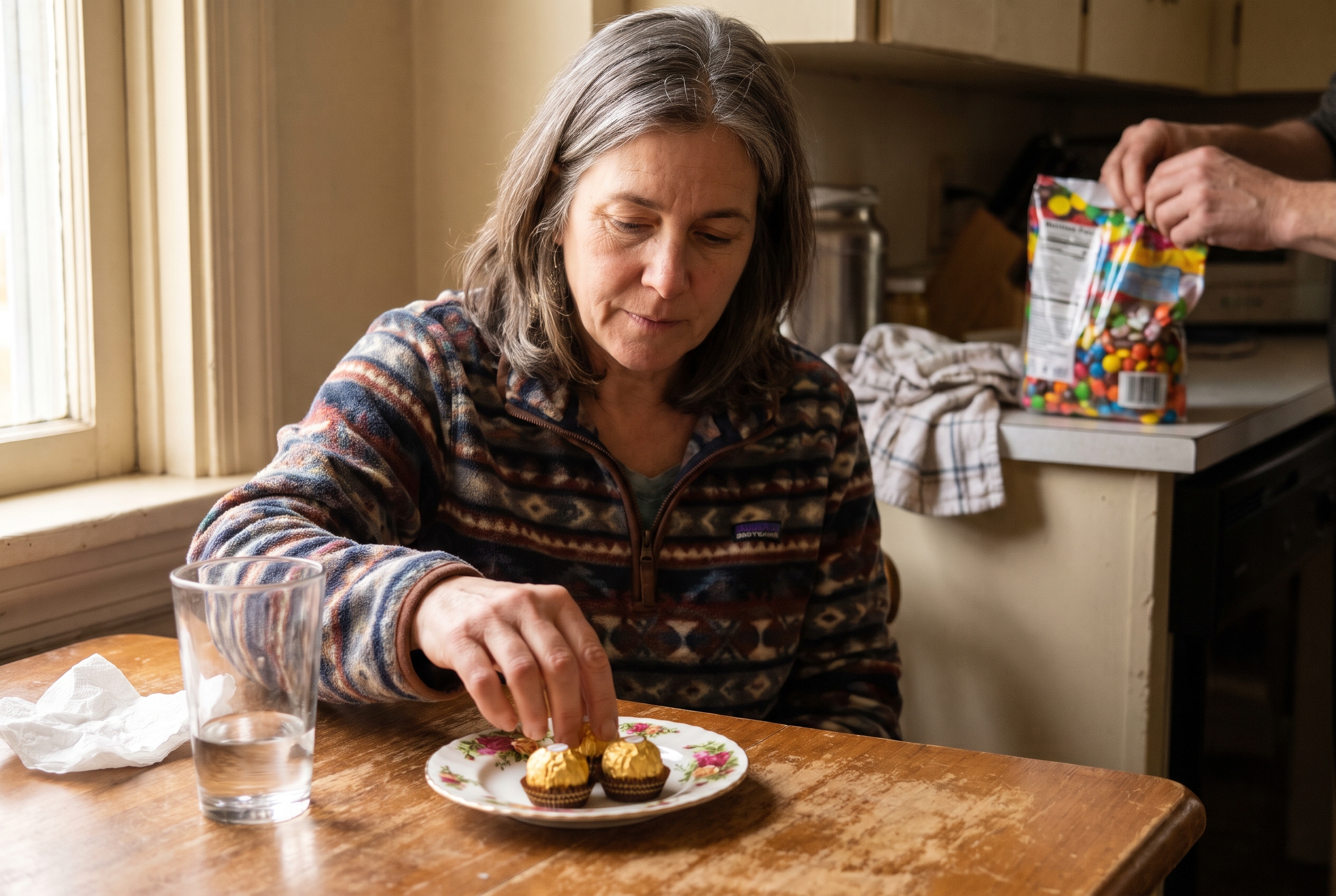
Illustrative household example. Use the worksheet for your own details.
My Halloween Treat Plan
Date: __________ File under: Daily Health Habits
Give it a time and place
Treat time / meal:
Favorite small treat:
Bag goes back here:
Keep the usual care
☐ Water ready ☐ Normal brushing kept
One personal food or dental need:
Person I will share the plan with:
Today’s win: One treat time and one place to put the bag away, instead of an open-ended bowl.
Fresh food you can pick for the meal.
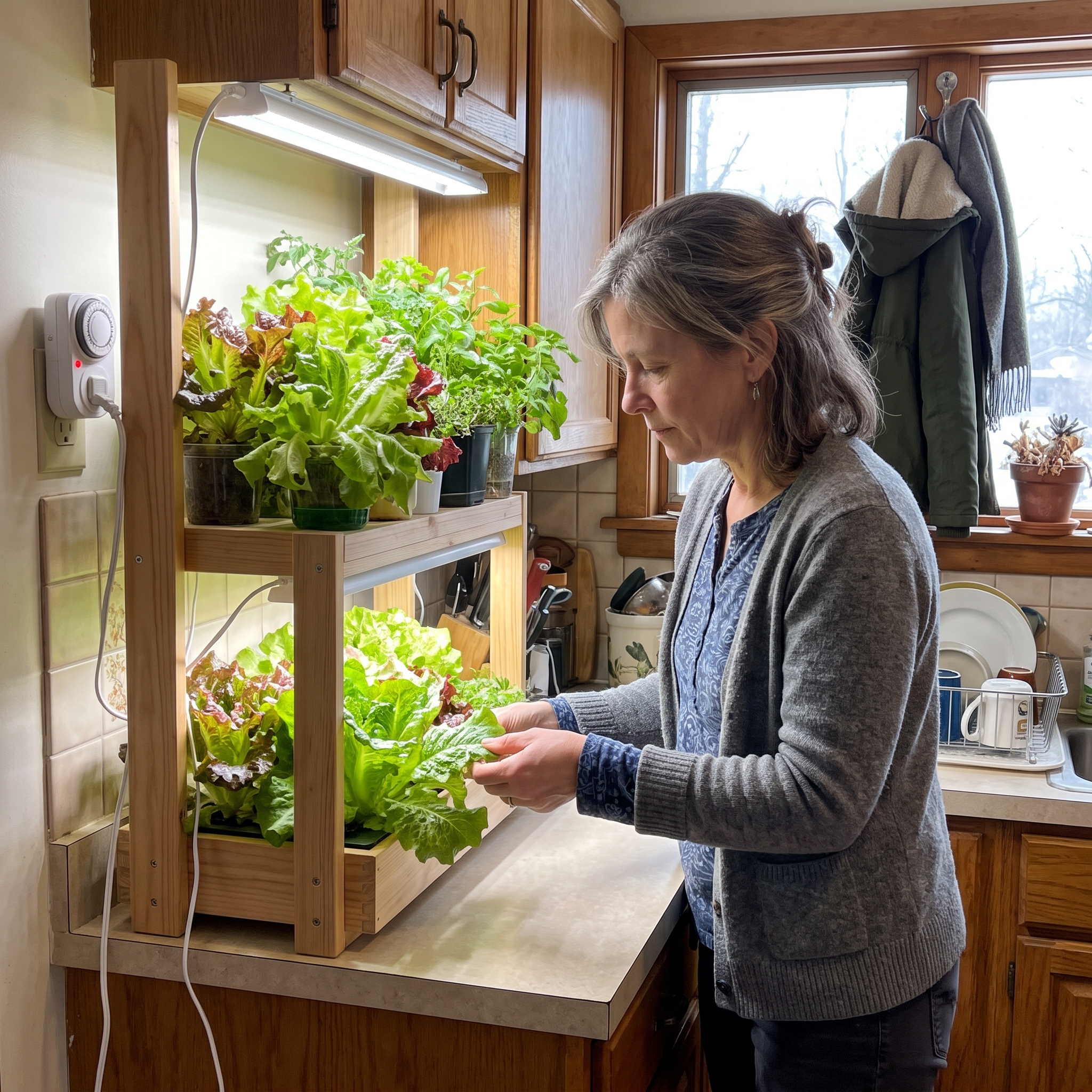
You only need a few leaves or herbs for dinner. Yet you keep paying for another whole bag.
What if you could pick some from a small spot at home? The COMPLETE Blueprint shows the steps in pictures, with indoor options. Start with a food you actually use.
Take a look at what fits your space and your plate.
| Tap Here to See the COMPLETE Blueprint → |
Stay steady,
James Williamson
Freedom Health Daily
P.S. What Halloween sweet do you actually look forward to? Hit reply with one favorite. Share this with someone who likes a small plan more than a strict food rule.
P.P.S. Before another takeout order, see what you could make from the food already in your kitchen. The Household Playbook includes restaurant-style meals and ways to use more of the food you buy. Click Here to Look Inside the Household Playbook →