
Your Daily Install connects what’s happening now with a useful pattern from the past—and one simple step you can take today to make your household more resilient.
Print the worksheet below, fill it in, and add it to your Household Resilience Network binder.
What’s happening now?
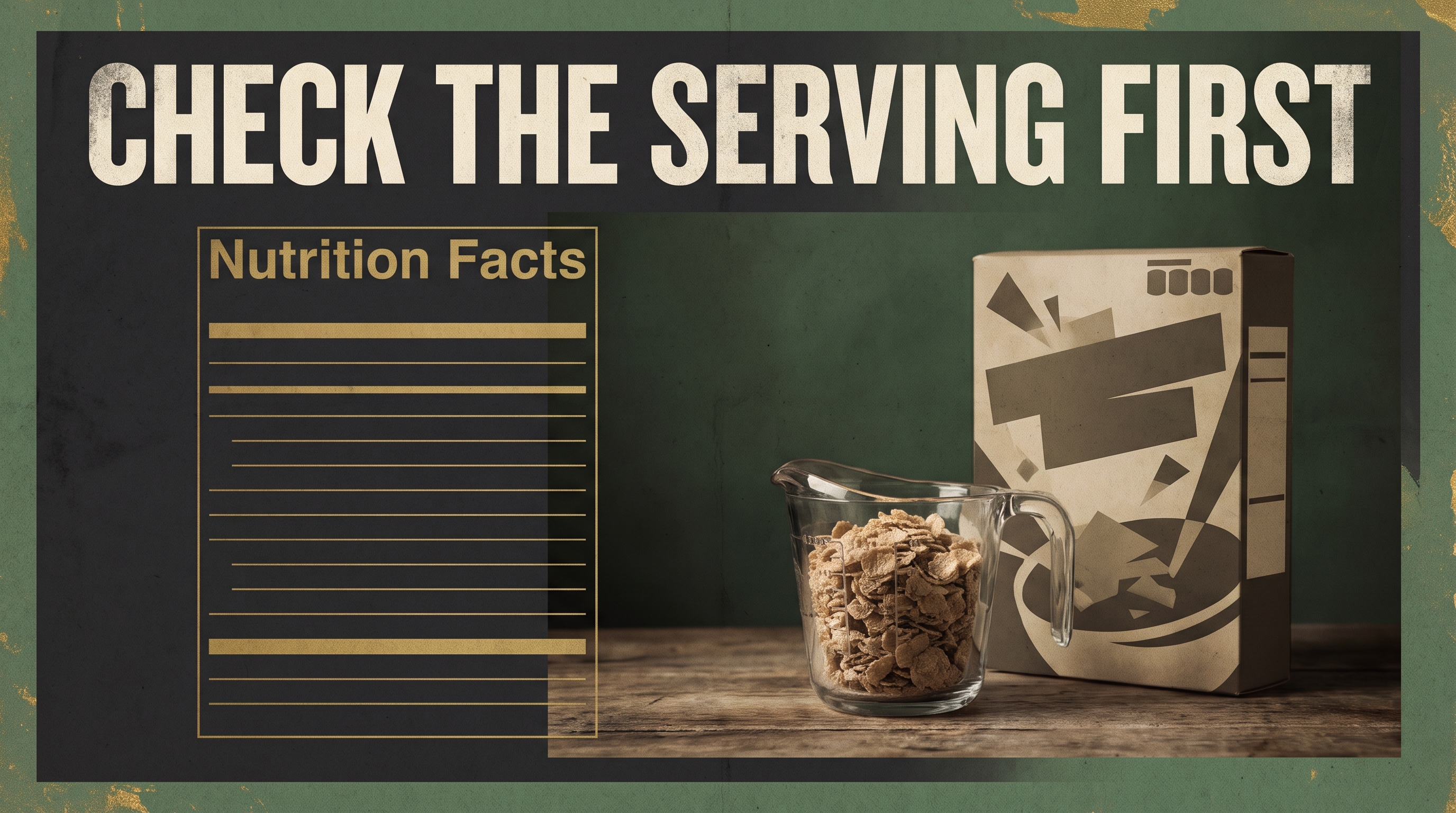
The number on the label looks small. The handful in your bowl is much bigger than the serving beside it.
November is National Diabetes Month. It is a useful time to practise one food-label skill: check the serving size before reading the nutrients. FDA guidance makes a key point—a serving describes what people typically eat, not what you are being told to eat.
The numbers only make sense when you know what amount they describe.
Has this happened before?
In 1990, the Nutrition Labeling and Education Act set the course for standard nutrition information on most packaged foods. The familiar panel brought key facts into a shared format.
Instead of relying only on the words across the front of a box, a shopper could turn it around and find serving information and nutrients in expected places.
The label later changed again. FDA’s 2016 update made calories and serving sizes easier to see and added information such as added sugars. The design changed because the order and size of the information affect what people notice.
What happened next?
A standard label made comparison easier, but it still needed the reader to begin with the right amount.
Read the serving first, then the number. In a made-up example, 10 grams of a nutrient per half-cup becomes 20 grams if you eat a full cup. The food did not change. The amount did.
Brushed. Rinsed. Reaching for a mint?
You cleaned your teeth before bed. By morning, you want a mint again. Why does this oral-support story begin with Navy divers?
TAP Here to See the Diver Connection →What can I do?
Take 10 minutes with one packaged food you eat often. Find the serving size and servings per container. Use a measuring cup once to see what the listed amount looks like in your usual bowl.
Compare that with what you normally serve. Then read the nutrients for that amount. If you use a personal food or diabetes plan, use the check to follow that plan more accurately—not to change medicines or skip meals.
Write down one thing you noticed. You do not need to measure every meal forever. The goal is to stop mistaking a per-serving number for a whole-package number.
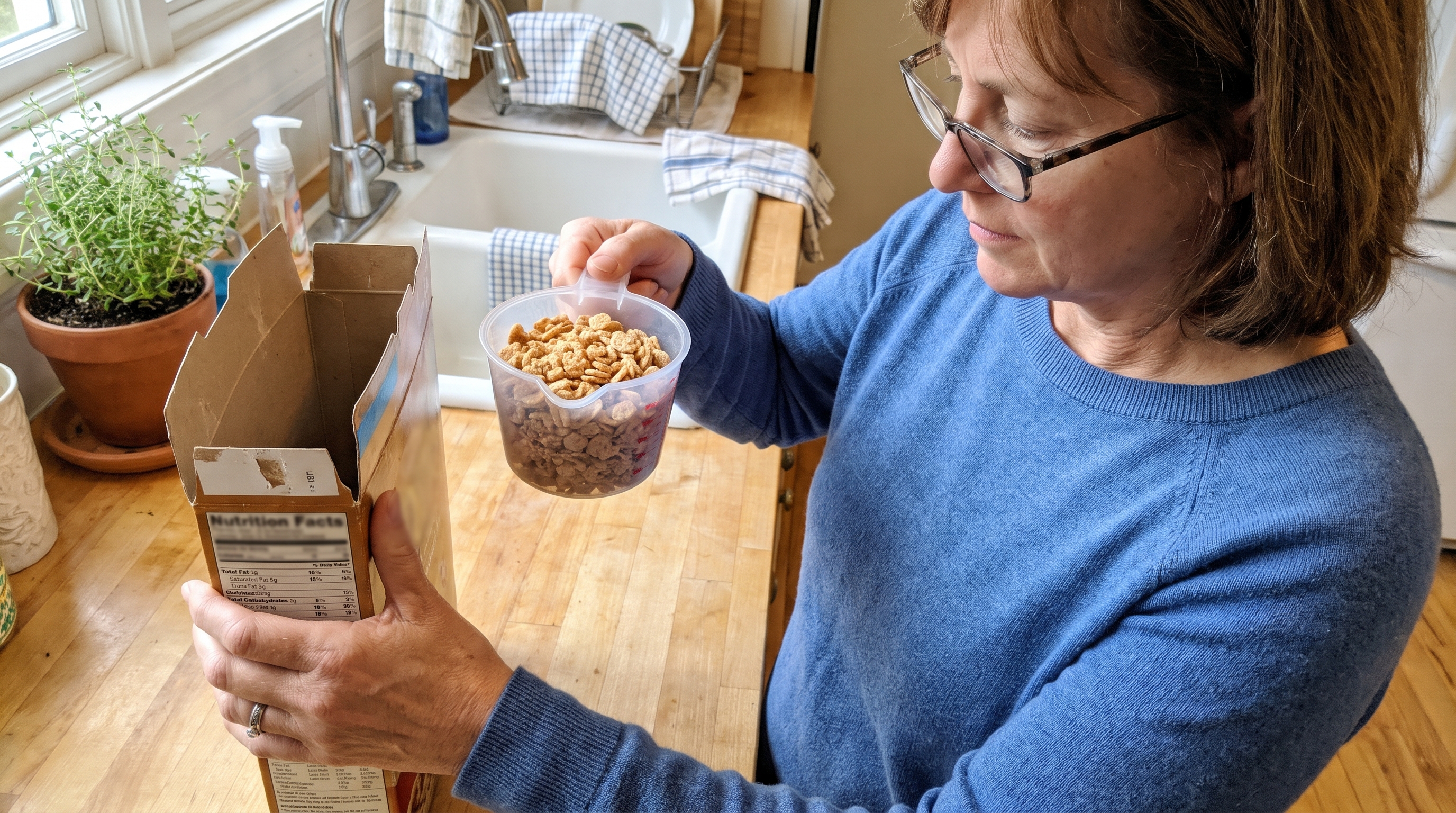
Illustrative household example. Fill in your own details below.
My One-Label Check
Date: __________
File under: Daily Food Skills
Start at the top
Food / listed serving:
Servings per container:
Match it to my bowl
My usual amount:
Number I need to adjust:
One thing I noticed:
Today’s win: One familiar food label now matches a real amount you can picture.
Good food. A small spot. A clear first step.
You want more fresh food in the meal. You do not need a whole yard to begin growing some.
Start your modern Victory Garden with one food you already enjoy. Clear pictures show how to make a small-space start, including indoor options for colder months.
The COMPLETE Blueprint takes you from choosing the food to caring for it. Keep your favorite meals. Grow a few of the ingredients.
Use this VIP link for over 80% off the complete digital Blueprint and both bonuses. See the small first step that fits your kitchen.
| TAP Here for Your Modern Victory Garden → |
Stay steady,
James Williamson
Freedom Health Daily
P.S. Which label surprised you most when you checked the serving? Hit reply with the food name. Forward this to someone who reads the numbers but skips the line above them.
P.P.S. Groceries in the fridge. Still tempted by takeout? Put familiar favorites and use-it-up recipes to work. TAP Here for the Household Playbook →