
Your Daily Install takes something happening now, looks at what happened before, and gives you one thing to do at home.
Print the worksheet and add it to your Household Resilience Network binder.
What’s happening now?
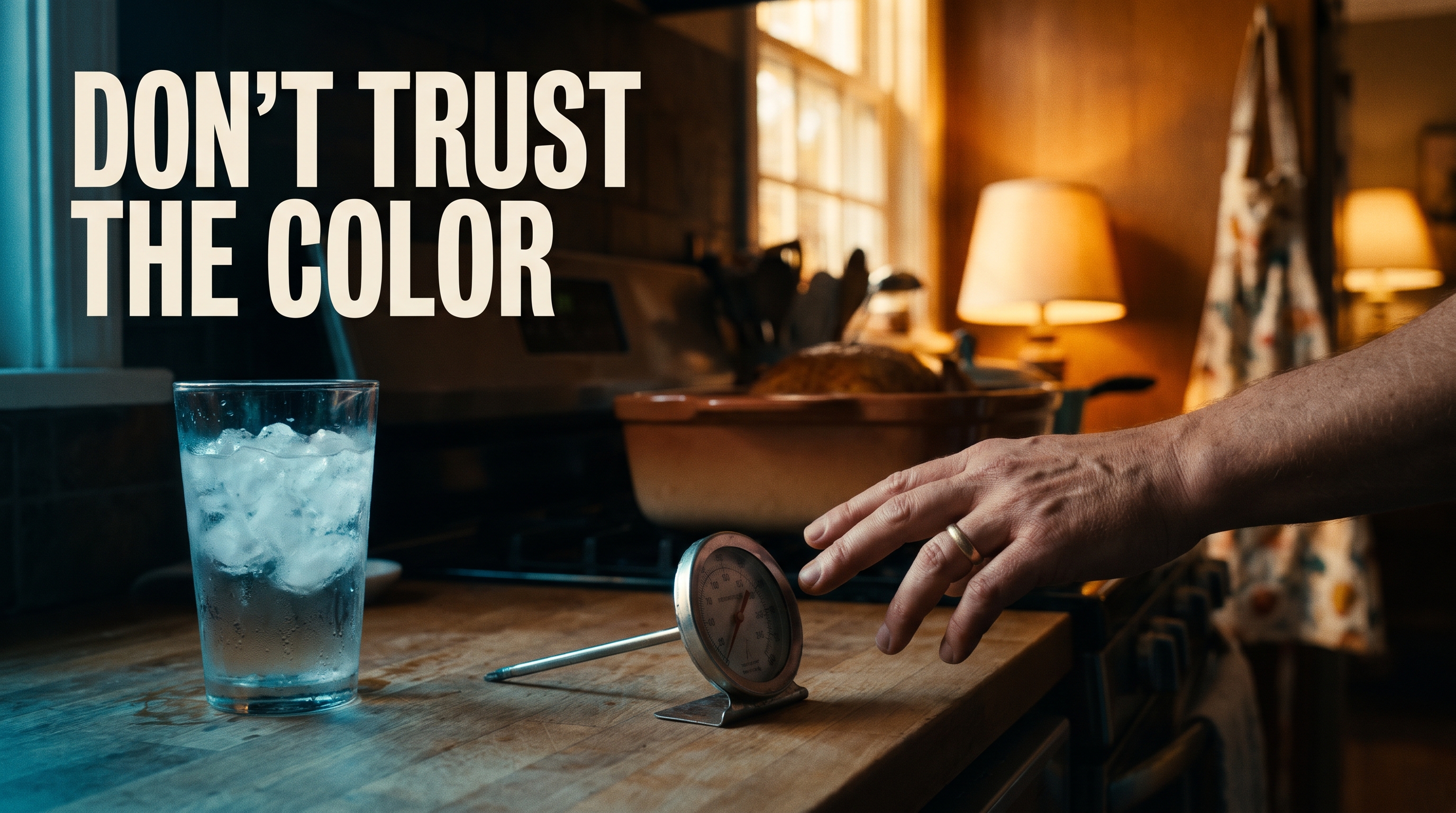
Thanksgiving is coming November 26. Before the turkey, the guests, and the crowded oven, check the small tool you will use to decide when food is done. Does your food thermometer still read correctly?
The outside of a meal can fool you. Brown meat is not proof that the middle reached a safe temperature. And a thermometer that is hard to use or reads wrong can lead you to stop cooking too soon.
Has this happened before?
In June 1997, USDA told cooks to use a thermometer for ground beef. Research had shown that some meat could turn brown before reaching 160°F. The familiar “looks done” test was not enough.
What happened next?
The useful change was moving from a color to a reading.
That same lesson belongs in this year’s kitchen. Measure what matters, and check the tool before you depend on it. For turkey, USDA’s safe minimum is 165°F. Follow its placement guidance for the thickest breast and inner thigh and wing, without touching bone.
Put something fresh beside that meal
You can start with greens you already put on a sandwich or herbs you cook with. The COMPLETE Blueprint shows how to grow familiar food in a small spot, with indoor options for the colder months. See what your first setup could look like.

| TAP Here for the Complete Blueprint → |
What can I do?
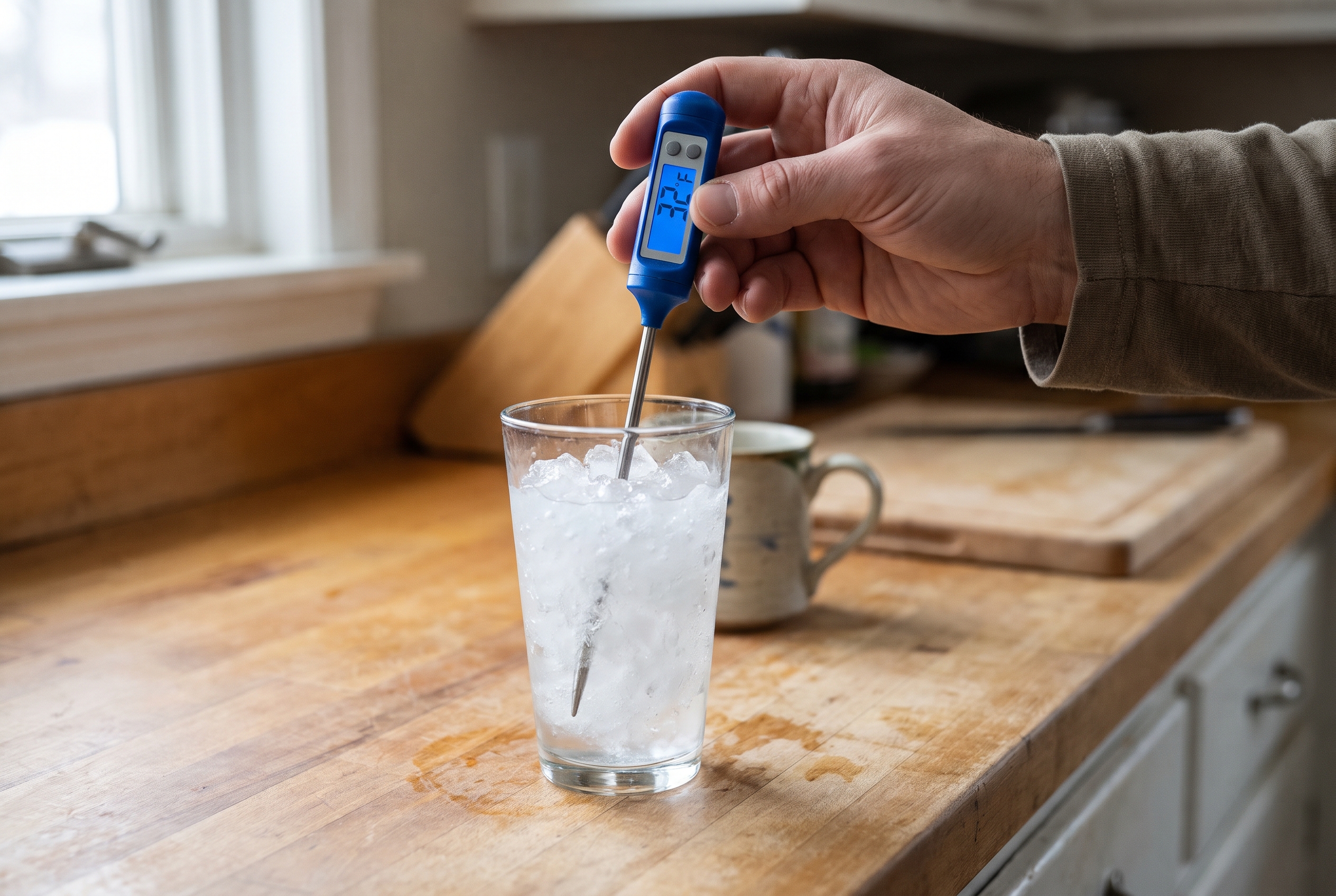
Read your thermometer’s instructions first. If it supports an ice-water check, fill a cup with crushed ice and cold water and stir. Put the sensing area into the slush without touching the cup’s sides or bottom. Wait for the reading to settle. It should be about 32°F.
If it is off, follow the maker’s directions to adjust it, or replace it if needed. Do not soak the display. Wash the food-contact probe as directed. Write down the result so you know the tool is ready.
Check the Thermometer Before the Turkey
Date: __________________
Thermometer model / instructions found
____________________
Ice-water reading
____________________
Adjustment or replacement needed
____________________
Date checked / safe turkey target: 165°F
____________________
The word comes back ten minutes too late.
You could picture it. You just could not say it. A tiny “memory bean” is the starting point of this brain-support story. Why that bean?
Stay steady,
James Williamson
Freedom Health Daily
P.S. When did you last check your food thermometer? Hit reply with the year—or “today.”
P.P.S. Want to see the Black Friday offer for the Complete Blueprint? TAP Here to See the Black Friday Offer →