
Your Daily Install connects what’s happening now with a useful lesson from the past—and one small thing you can do at home.
Print the worksheet, fill it in, and add it to your Household Resilience Network binder.
What’s happening now?
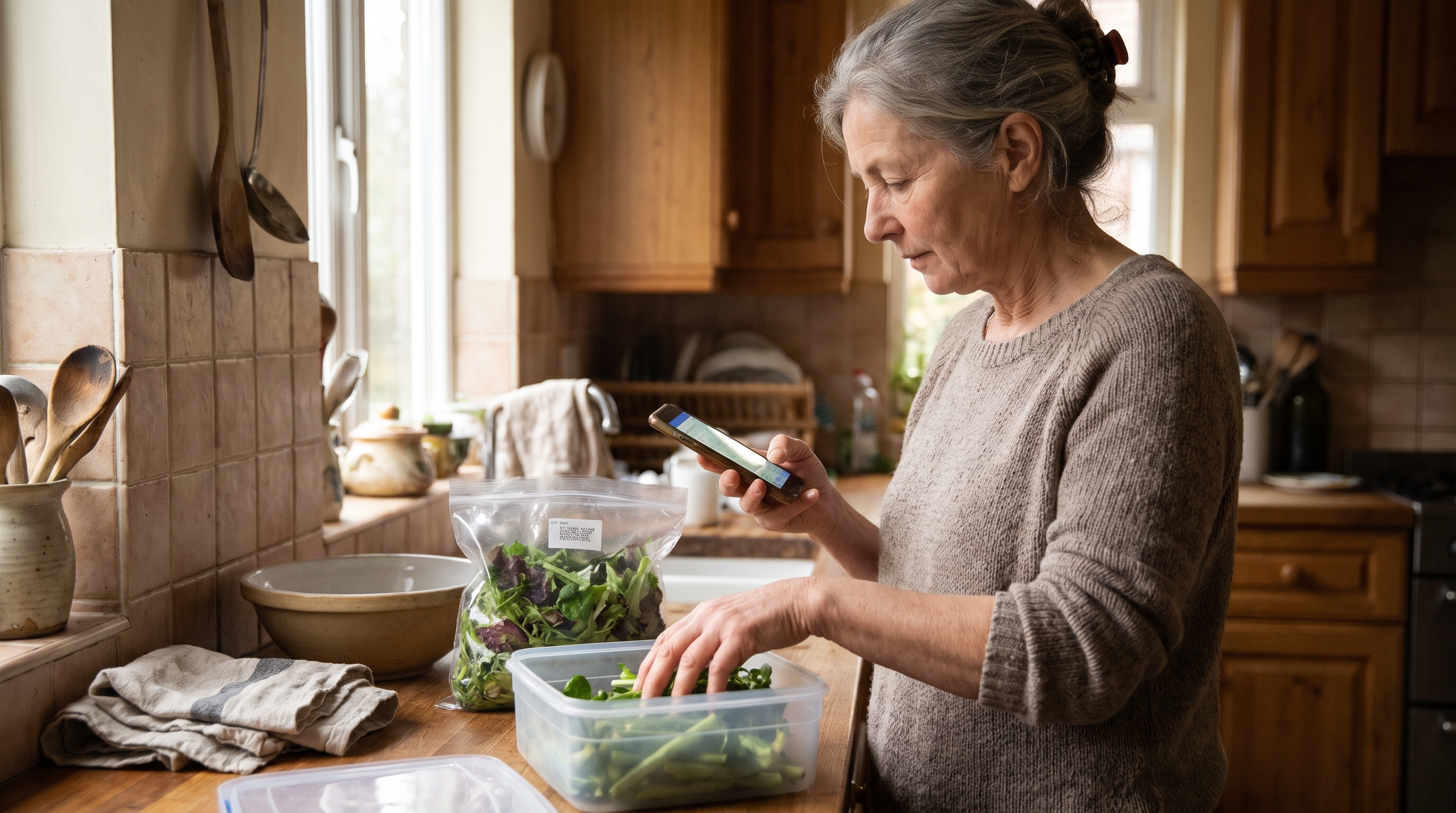
You pour the food into a clean container and throw away the bag. Later, a recall names the brand. Was your package part of it?
Today, November 6, FDA is holding a public meeting on tracking food by production lot. The discussion is for the food system, not a new paperwork rule for your kitchen.
But there is a useful household lesson: the package can carry information that the food itself cannot show you. A clear photo can preserve the brand, product, lot code and date before the wrapper goes.
Has this happened before?
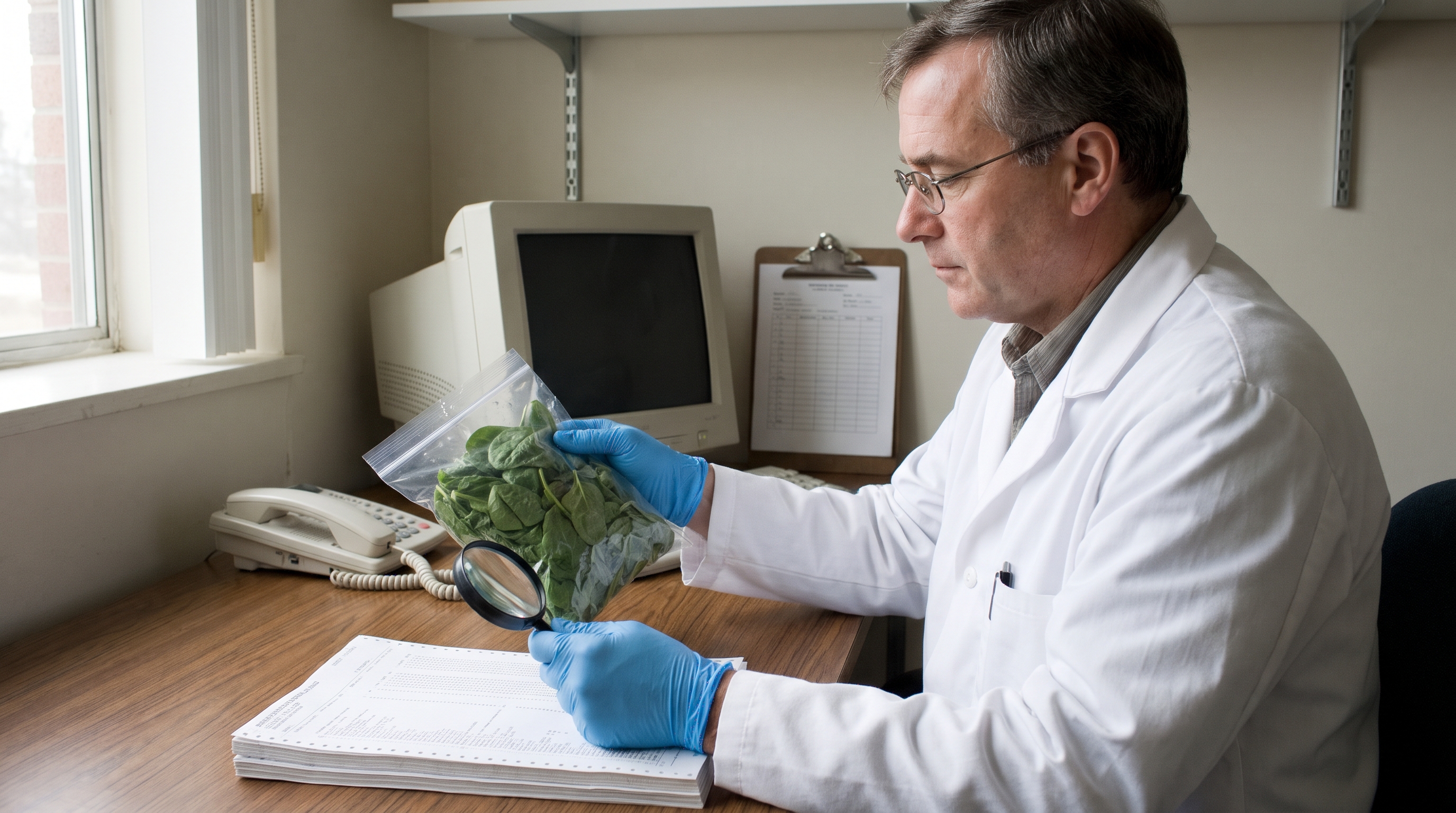
In September 2006, people in several states became ill in an outbreak linked to bagged spinach. Investigators had to move backward from meals people remembered to the farms and processing records behind them.
Some sick consumers still had spinach bags in their refrigerators. Those bags carried the company name and lot number. USDA’s later account says that gave investigators a head start.
A lot number connects a package with a production batch. It helped investigators ask which records and farms belonged to that food, rather than treating every remembered purchase as the same clue.
The remaining package was not just trash waiting to be taken out. It was part of the record of what had reached the household.
What happened next?
The producer recalled its spinach, and the investigation traced implicated food back through the supply chain. Even then, finding the exact way contamination occurred was difficult. The label helped; it did not answer everything.
That is why today’s tracking work matters. A recall is more useful when a warning can be matched to a particular product and batch.
At home, save the details before you lose the package. A photo does not prove food is safe. It gives you something concrete to compare with an official notice if one appears.
What if the routine did not start with another bottle?
Another bottle to sort. Another routine to remember. This at-home video takes a different route: finger pressure on body points. Which spots does it start with—and why those?
| See the Body-Point Routine → |
What can I do?
Take five to ten minutes with one packaged food you plan to move into another container. Photograph the front, the lot or batch code, and the date. Keep normal storage directions with it. Name the photo so you can find it again.
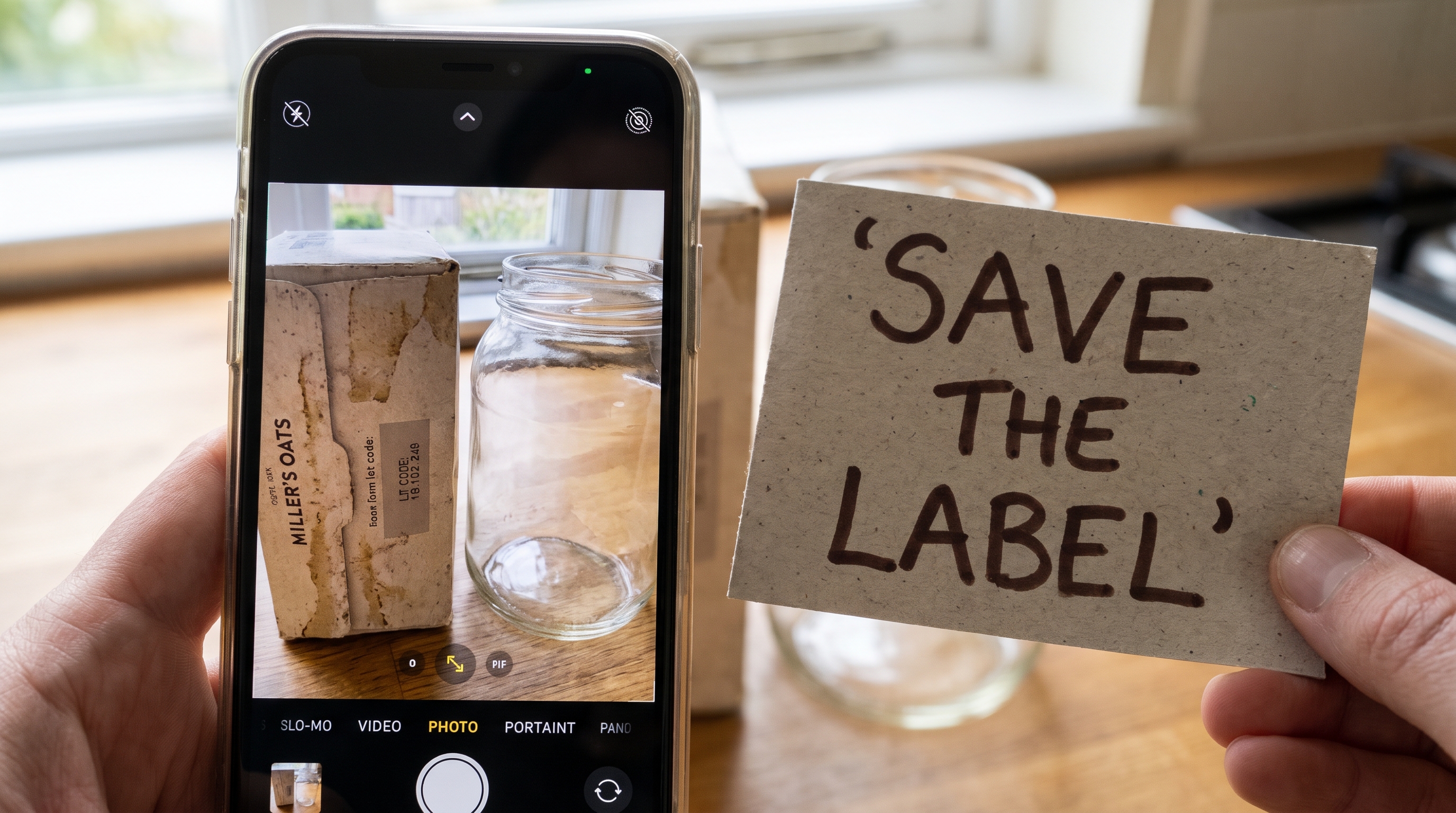
My Food-Label Record
1. Keep the identity
☐ Front label photographed
2. Keep the batch details
☐ Storage instructions kept with the food
3. Know the check
☐ Product and batch compared, not just the brand
Follow any recall’s exact instructions. Do not taste food to decide whether a recalled batch is safe. Keep the label or photo while the food is still in use.
Today’s win: one food’s identity remains easy to find after its wrapper is gone.
What if the next handful came from home?
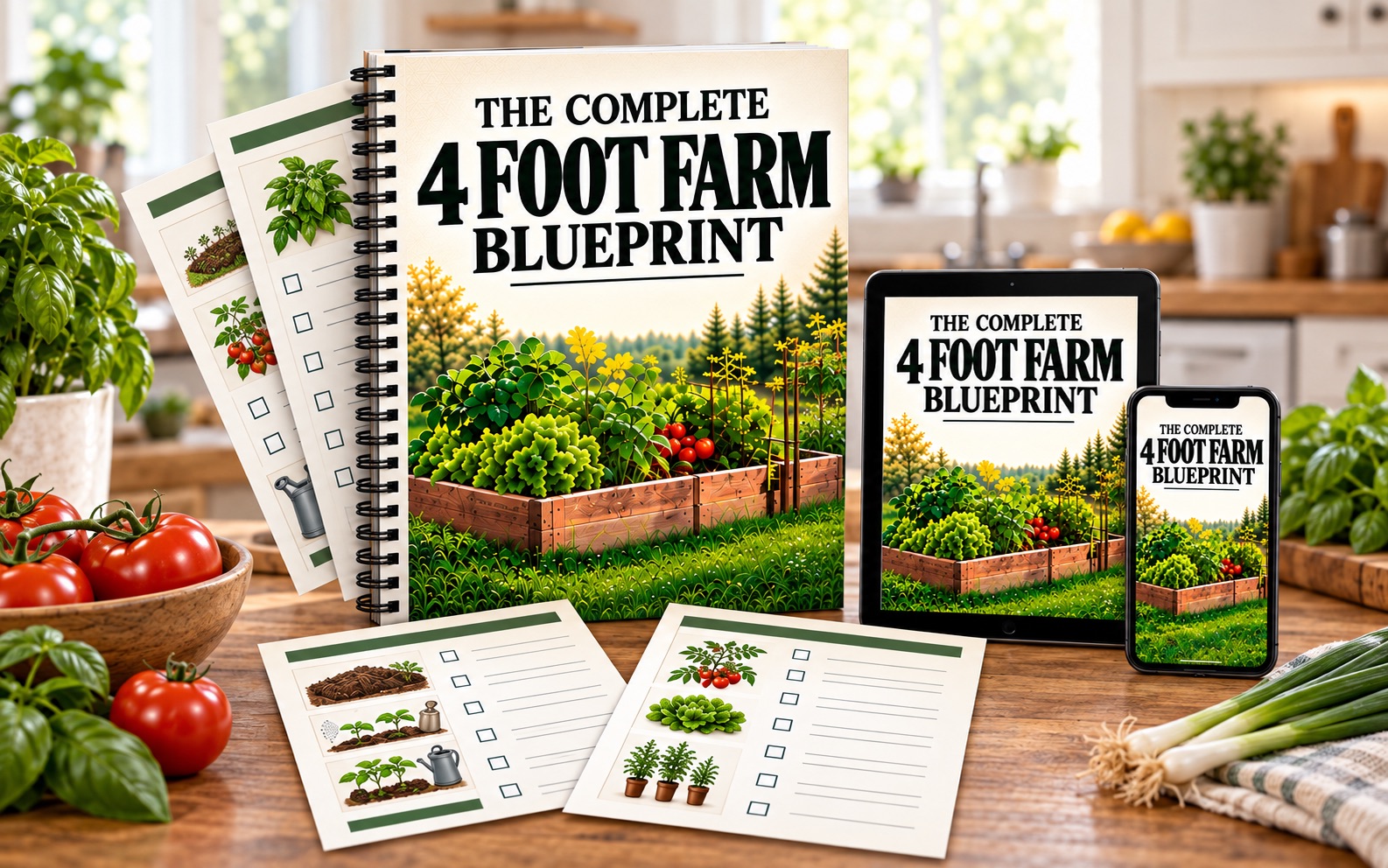
Herbs for dinner. Greens for a sandwich. The COMPLETE 4 Foot Farm Blueprint shows how to start with food you already eat, using a small outdoor spot or an indoor setup.
See the current $7 offer: all 10 Action Plans, both bonuses and instant digital access.
| See the $7 Complete Blueprint → |
Stay steady,
James Williamson
Freedom Health Daily
P.S. Do you usually keep the food bag, fold the label into the container, or throw it away? Hit reply and tell me. Forward this to the person who refills containers in your kitchen.
P.P.S. Two useful next reads: